Understanding Youth Entrepreneurship
What Youth Entrepreneurship Really Means?
Youth entrepreneurship focus the young people, typically between the ages of 15 and 30, who decide to start, manage, or expand their own businesses. These can include mobile apps, freelance services, content creation companies, digital startups, online clothes stores, and even cutting-edge physical goods.
The remarkable speed at which young brains can turn ideas into profitable businesses is what makes young entrepreneurs unique today. The days of needing a large investment, a physical location to operate, or an online community of business contacts are outdated. These days, all you really need to get started is a smartphone, internet access, and a little creativity.
Four fundamental concepts form the base of youth entrepreneurship:
- Converting ideas into practical outcomes rather than waiting for the perfect conditions
- Creating opportunities in a market that is changing quickly
- Early development in leadership encourages confidence and creativity.
- Accepting resilience because every concept, whether it succeeds or fails, teaches important lessons
Young entrepreneurship is a mindset of independence, creativity, and bravery rather than just a fad.
The Rise of Young Innovators in the Modern Economy
Young people across the world are taking over the entrepreneurial landscape faster than ever before. The internet has democratized opportunities, allowing any motivated teen or young adult to learn skills, build brands, and reach global audiences without needing corporate jobs or traditional education.
The rapid rise of youth innovators is driven by:
- Affordable digital tools like Canva, Shopify, and CapCut
- Free global learning resources on YouTube, Coursera, and Google
- Social media platforms that allow instant storytelling and marketing
- E-commerce platforms like Etsy, Amazon, or Daraz
- Online communities and mentors who guide and support beginners
This generation is more digitally intelligent, socially aware, and creative than any generation before. That’s why youth led ideas often become successful businesses because they are rooted in real experiences and modern needs.
Why Youth Entrepreneurship Matters Today ?
Economic Importance:
Youth entrepreneurship is not only beneficial for individuals, it is also essential for economies. When young people build businesses, they also:
- Create new jobs
- Drive innovation
- Reduce unemployment
- Bring fresh ideas to traditional industries
- Support economic resilience during crises
Countries with strong youth entrepreneurship cultures often experience faster economic growth and more stable economies.
Social Impact on Communities:
Young entrepreneurs often build businesses that solve real community challenges, such as:
- Access to education
- Recycling and sustainability
- Affordable technology
- Mental health solutions
- Local business empowerment
These youth-led ventures create stronger, healthier, and more sustainable communities.
Personal Growth and Skill Development:
The personal transformation that entrepreneurship brings is unmatched. Young entrepreneurs develop:
- Leadership skills through team management
- Problem-solving abilities by navigating challenges
- Financial literacy, budgeting, and pricing
- Time management and discipline
- Communication and networking skills
These skills last a lifetime, whether they stay in business or pursue careers.
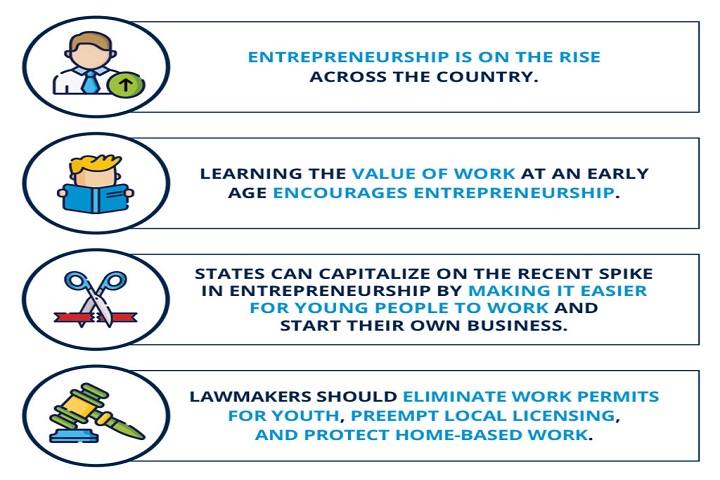
Practical Steps to Support Young Entrepreneurs
1. Teaching Financial Literacy Early
Teaching youth how to manage money is a crucial step toward building confident entrepreneurs. Financial literacy includes:
- Understanding income vs expenses
- Saving and budgeting
- Pricing products and services
- Managing digital payments
- Basic investment and profit concepts
This early financial education builds independence, confidence, and responsibility.
2. Encouraging Creativity and Problem-Solving
Creativity is the root of entrepreneurship. Encourage young people to brainstorm, experiment, and explore their ideas freely. No matter how unusual they sound. Problem-solving activities like coding games, design tasks, school competitions, or real-life challenges strengthen their critical-thinking abilities and improve business judgment.
3. Helping Youth Access Tools and Resources
A young entrepreneur doesn’t always need large capital. Sometimes, all they need is access to:
- Internet
- A laptop or smartphone
- Free learning platforms
- Business templates
- Branding tools
- Mentorship
- Supportive communities
Providing these tools gives youth the power to take their first step confidently.
4. Creating Safe Spaces for Experimentation
Youth thrive when they are allowed to try, fail, learn, and try again. Parents, teachers, and communities should create environments where failure is seen as learning, not a setback. When young entrepreneurs feel supported, they take bigger, smarter risks and grow faster.
Tips for Young Entrepreneurs Starting Their First Business
1. Beginning With Small, Low-Risk Projects
The biggest mistake young entrepreneurs make is waiting for a million-dollar idea. Instead, they should:
- Start small
- Test ideas quickly
- Learn from real customer feedback
- Scale up only when needed
Small beginnings often lead to big results.
2. Building Confidence Through Early Wins
Success doesn’t start with a large company, it starts with your first sale. Early wins like:
- Selling your first product
- Getting your first client
- Receiving your first positive review
…build confidence, motivation, and momentum.
3. Learning to Validate Ideas Quickly
Validation means confirming whether people actually want your product or service. Before investing time or money, ask:
- Does this product solve a real problem?
- Will people pay for this?
- How many competitors exist?
- Can I offer something better?
Validation saves time, money, and frustration.
Developing Entrepreneurial Skills From a Young Age
Strengthening Critical Thinking
Entrepreneurs make hundreds of small decisions daily. Activities such as:
- Debates
- Coding
- Strategy games
- Problem-solving exercises
…improve logical thinking and enhance decision-making skills.
Time Management and Discipline
Youth entrepreneurs often juggle school, work, personal life, and business. Time management tools like planners, productivity apps, and schedules help them stay organized and consistent.
Communication and Leadership Skills
Good communication can turn an ordinary business into a successful one. Entrepreneurs must learn to:
- Speak confidently
- Negotiate effectively
- Build networks
- Lead teams
- Inspire customers
These skills determine long-term success.
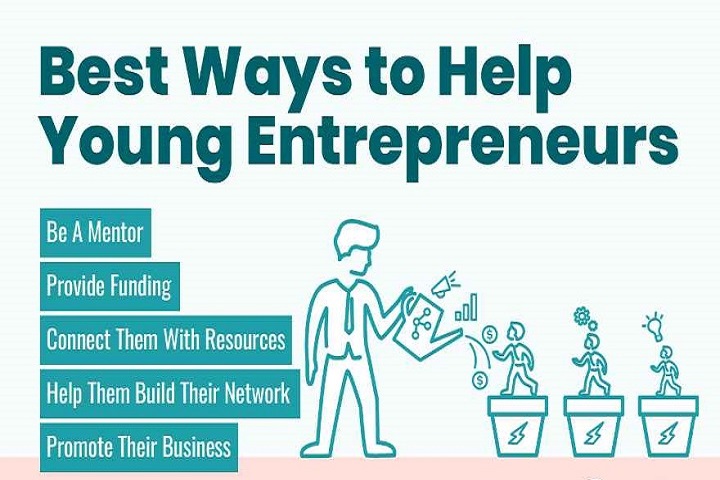
Programs and Support Systems for Young Entrepreneurs
School-Based Entrepreneurship Clubs
Many schools now offer clubs that teach:
- Business basics
- Startup development
- Marketing
- Pitching
- Team building
These clubs encourage collaboration and innovation.
Government Youth Startup Funds
Several countries offer:
- Grants
- Microloans
- Scholarships
- Tax benefits
- Training programs
These opportunities reduce financial pressure and support business growth.
NGO and Community Support Initiatives
NGOs play a major role in youth entrepreneurship by providing:
- Workshops
- Training programs
- Mentorship
- Funding support
- Networking opportunities
These resources help young entrepreneurs gain direction and confidence.
Online Learning and Startup Platforms
Platforms like:
- Coursera
- Udemy
- HubSpot Academy
- Google Digital Garage
…offer free courses in entrepreneurship, marketing, finance, design, and more—all accessible to youth worldwide.
Major Challenges Young Entrepreneurs Face
1. Lack of Resources and Funding
Young people often struggle to access startup capital. Banks require age, credit history, or collateral—which youth typically don’t have. Without support, many bright ideas go unrealized.
2. Limited Experience in Business Planning
Creating a business plan, budgeting, pricing, and marketing can feel overwhelming for beginners. Most youth lack real-world business exposure unless they receive mentorship.
3. Balancing Education and Entrepreneurship
Managing school, assignments, and a growing business is challenging. Without proper support, young entrepreneurs may experience burnout.
4. Fear of Failure and Social Pressure
Many youth avoid entrepreneurship because they fear:
- Failure
- Judgment
- Criticism
- Not meeting expectations
Society’s focus on traditional career paths adds pressure, making entrepreneurship seem risky.
Solutions to Overcome Youth Entrepreneurship Barriers
Access to Mentors and Role Models
Mentors play a crucial role in guiding young entrepreneurs. A mentor helps with:
- Industry knowledge
- Decision-making
- Emotional support
- Network building
- Confidence building
Every young entrepreneur needs at least one good mentor.
Affordable Digital Tools
Free tools like:
- Canva
- Notion
- Trello
- Google Workspace
- Wave Accounting
…make business operations easier, cheaper, and faster.
Building Strong Support Networks
Attending seminars, workshops, business fairs, and youth entrepreneurship events creates networks that lead to partnerships, funding, ideas, and opportunities.

Real-World Examples of Successful Youth Entrepreneurs
Teen Startups That Created Global Impact:
Many of today’s most famous global brands actually began as projects started by teens or young adults. Take Facebook, for example
- Mark Zuckerberg was just 19 and still at Harvard when he created what would become a social media giant.
- Microsoft also has humble beginnings: Bill Gates and Paul Allen were teenagers when they started coding and developing software that would eventually change the tech world.
- Even popular apps like Snapchat were born out of youthful creativity. Evan Spiegel and Bobby Murphy were still in college, in their early 20s, when they launched it.
- Dell began in a college dorm room, where Michael Dell, only 19 at the time, started building and selling his own computers.
- Mojang, the company behind Minecraft, was created by Markus “Notch” Persson, who, while officially developing the game later at 29, had already experimented with coding projects as a teen.
- Apple, started by Steve Jobs and Steve Wozniak. While they built their first computers in their early 20s, Wozniak’s fascination with electronics began much earlier, during his teenage years.
Even brands outside tech, like Spanx, trace their inspiration to youthful ambition. Sara Blakely’s idea eventually became the billion-dollar company we know today, shaped by the entrepreneurial mindset she developed in her younger years.
These stories show that age is rarely a barrier to innovation, creativity, curiosity, and a willingness to take risks often start early, long before a brand becomes a household name.
Lessons From Their Entrepreneurial Journey
Successful youth entrepreneurs often share similar lessons:
- Don’t wait for permission
- Start with what you have
- Learn from failure
- Stay consistent
- Never stop improving
Their stories inspire others to dream boldly.
The Future of Youth Entrepreneurship:
How AI and Technology Are Changing the Game
Artificial Intelligence has transformed business development. Today’s youth can use AI for:
- Logo design
- Marketing content
- Social media planning
- Customer service
- Market research
Technology makes it possible for young entrepreneurs to build stronger, smarter businesses.
Global Opportunities for Young Founders
With freelancing, remote work, and global e-commerce, young entrepreneurs can sell products and services to customers worldwide—without leaving their homes.
FAQ’s
1. What age is ideal to start entrepreneurship?
Ans: There is no perfect age. Anyone can start—even as a teenager.
2. Do young entrepreneurs need a lot of money?
Ans: No. Many successful businesses begin with low or zero investment.
3. How can parents support young entrepreneurs?
Ans: Encourage creativity, teach financial literacy, and provide emotional support.
4. What if a young entrepreneur fails?
Ans: Failure is part of the journey. Every great entrepreneur fails before succeeding.
5. Which skills matter most?
Ans: Creativity, communication, discipline, financial literacy, and problem-solving.
6. How can youth find mentors?
Ans: Through online platforms, school programs, community organizations, and networking events.
Conclusion
Youth entrepreneurship has the power to transform individuals, communities, and entire economies. When young people have the right support mentorship, resources, guidance, encouragement, then they become unstoppable innovators and leaders.
Whether you’re a young entrepreneur or someone supporting them, remember:
“The future belongs to those who dare to create it.”